

As LLMs are adopted widely, they have become very important for multiple sectors. LLMs like ChatGPT and Gemini, are changing how businesses operate in 2024 and are continuously improving. From enhancing content creation to automating customer service. However, with its growth, there are multiple risks, including data loss/breach, attacks, and compliance issues.
Organizations must know these risks associated with LLMs. OWASP LLM Top 10 covers the 10 key threats and vulnerabilities that businesses should give priority to.
In this blog, we will look at 10 LLM security companies that your organization can look into if they want to prioritize LLM security.
Let's take a look.
10 Platformst for Securing LLMs
1. Lasso Security
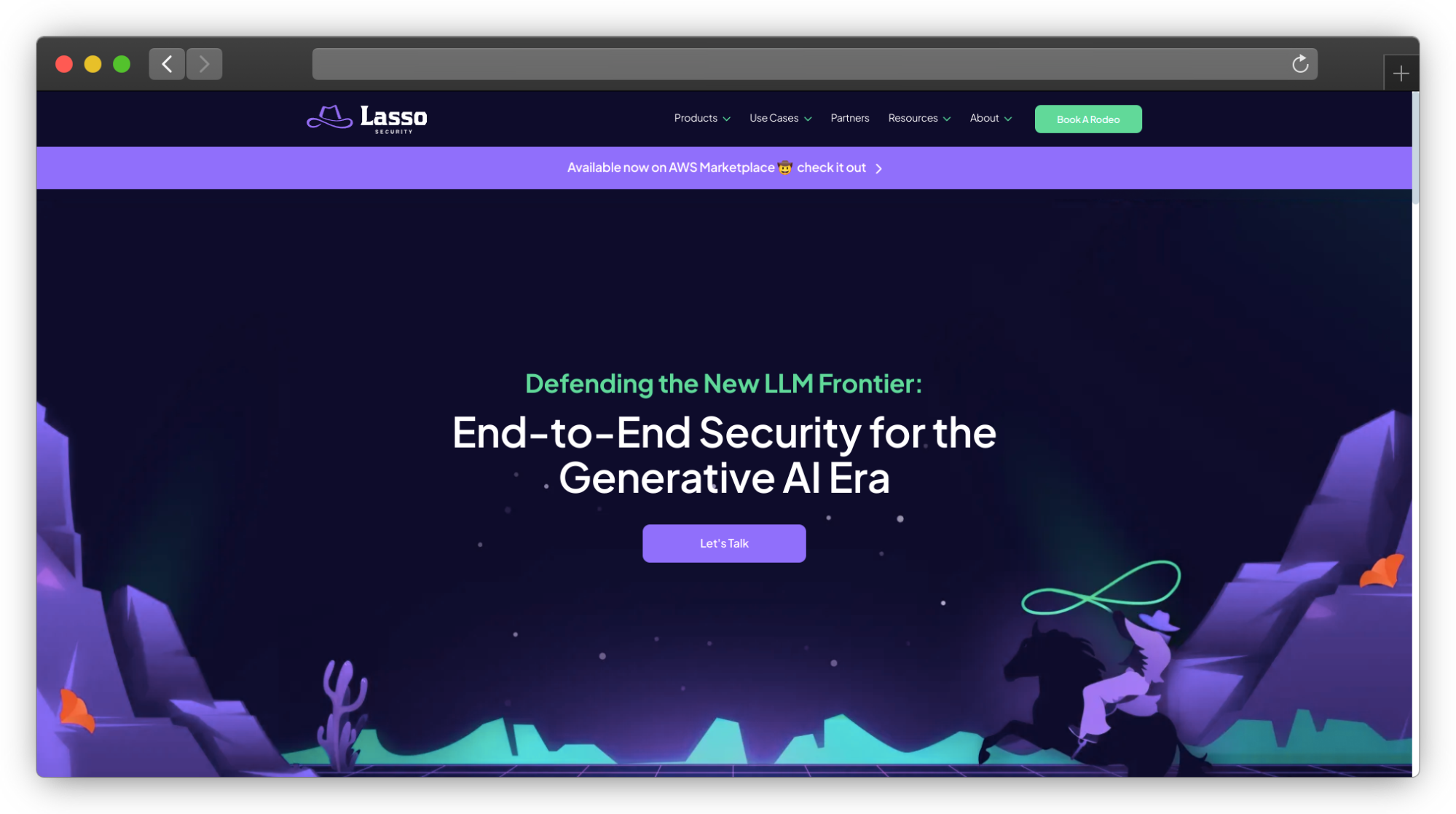 Lasso Security focuses on securing AI-assisted coding by addressing vulnerabilities in code generated by LLMs. It aims to ensure that the code produced is safe from exploitation.
Key Features:
- Vulnerability Scanning: Automatically scans generated code for known security issues.
- Integration with IDEs: Works seamlessly with popular Integrated Development Environments (IDEs) to provide real-time feedback.
- Developer Training: Offers resources to educate developers on secure coding practices.
Use Case: Ideal for development teams using AI tools for coding who need to ensure that the generated code is secure and adheres to best practices.
2. Rebuff
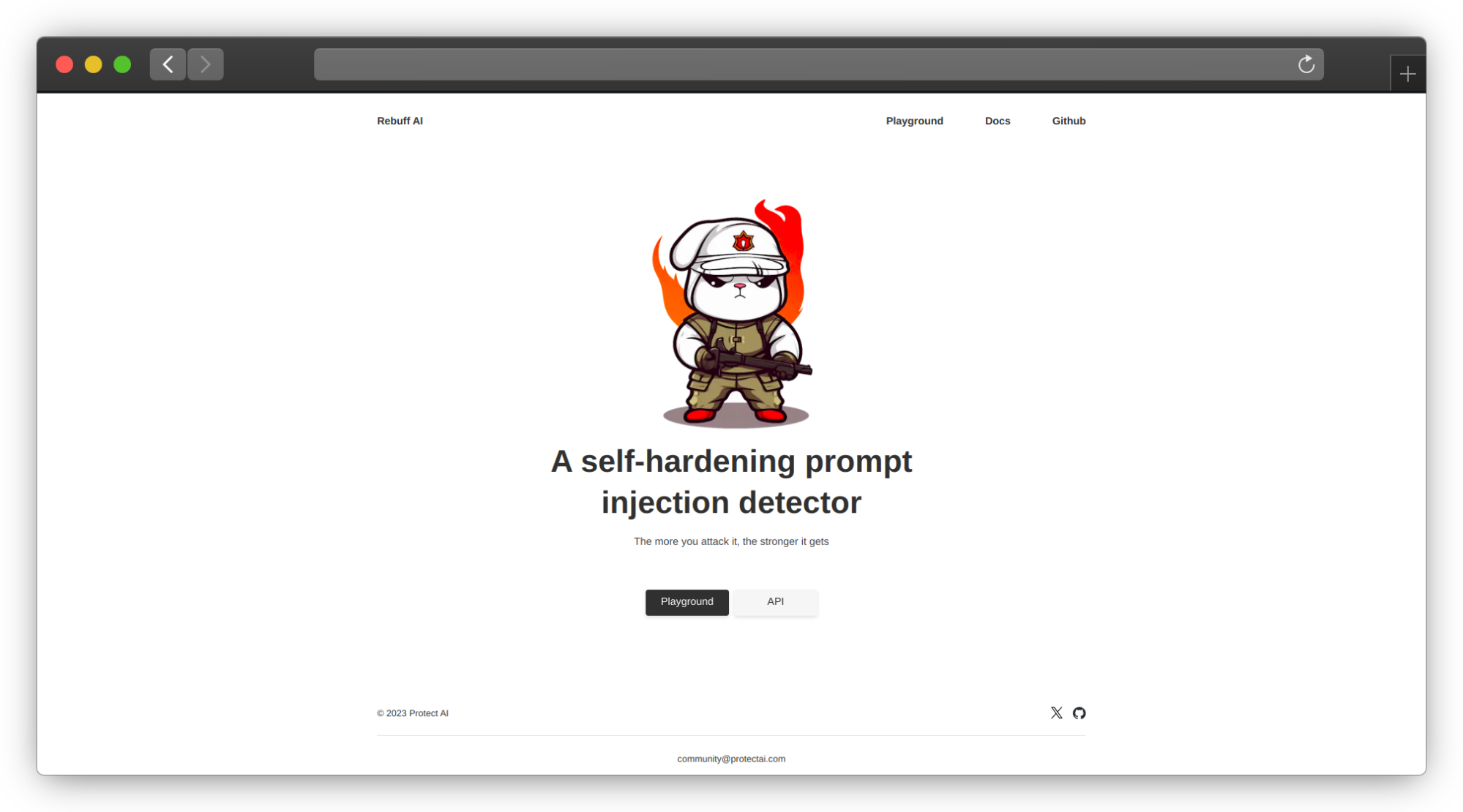
Rebuff is a security tool designed to protect AI models from prompt injection (PI) attacks, which manipulate AI prompts to generate harmful or incorrect responses.
Key Features:
 View Website
 View Website
 View Website
- Real-time: Rebuff uses a dedicated Large Language Model to analyze incoming prompts in real time. This LLM is specially trained to detect potential security threats and flag malicious activity.
- LLM-Based Detection: Rebuff uses a dedicated Large Language Model to analyze incoming prompts in real-time. This LLM is specially trained to detect potential security threats and flag malicious activity.
- VectorDB: The system stores embeddings (data representations) of previously detected attacks in a vector database. By comparing new prompts to this database, Rebuff can prevent similar attacks from reoccurring in the future.
Use Case: Useful for organizations that rely on LLMs for customer interactions and need to safeguard against malicious inputs that could lead to misinformation or harmful outputs.
3. CalypsoAI Moderator
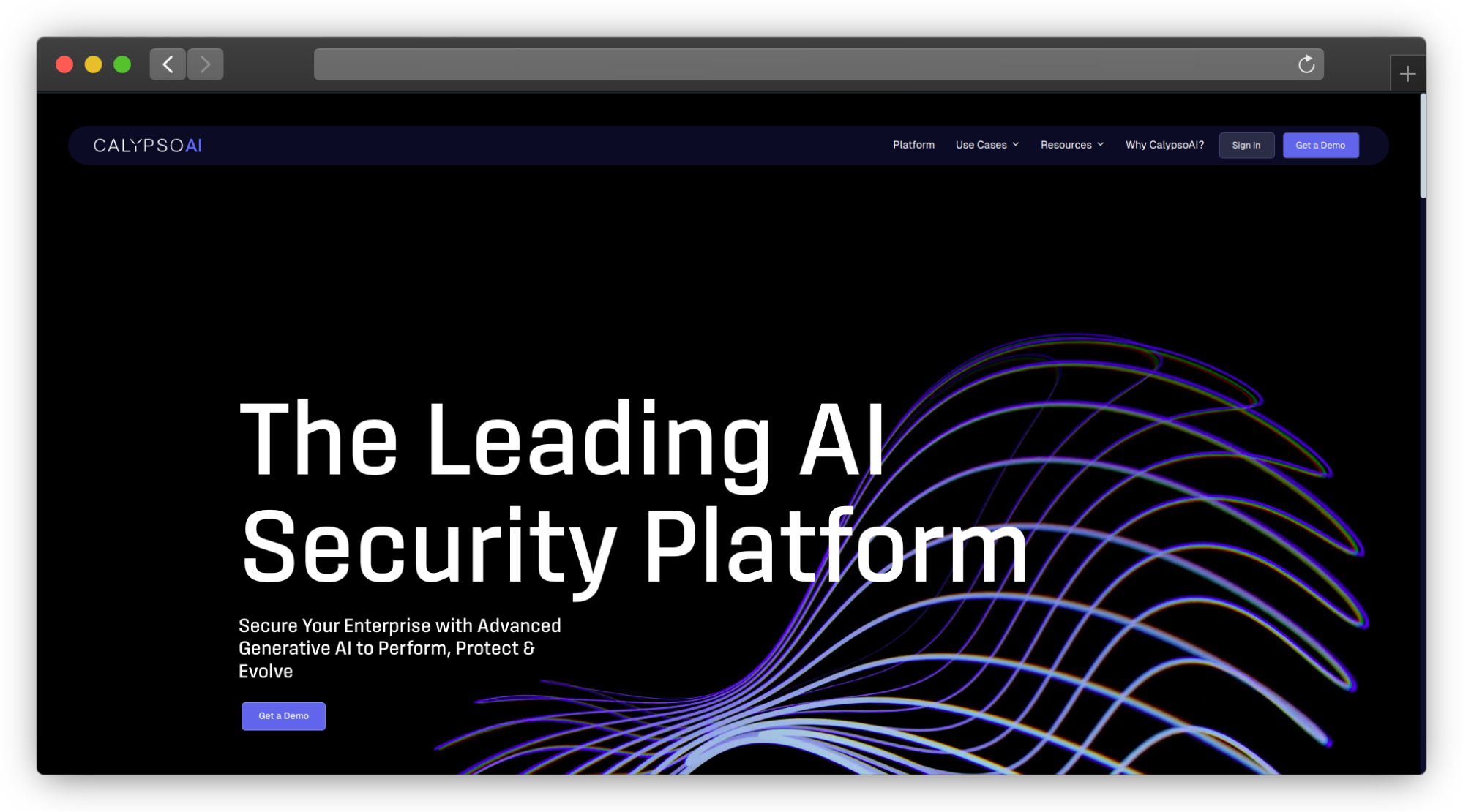 CalypsoAI focuses on moderating content generated by LLMs to prevent harmful outputs. It ensures that the content adheres to community guidelines and regulatory standards.
Key Features:
- Content filtering automatically identifies and filters out inappropriate or harmful content.
- Bias Detection: Identifies and mitigates biases in LLM outputs, ensuring fairness and equity.
- Compliance Enforcement: Ensures compliance with relevant regulations and industry standards, such as advertising guidelines and hate speech laws.
Use Case: Suitable for platforms that use LLMs to generate user-facing content, such as social media or customer support chatbots, requiring moderation to maintain safety and compliance.
4. Garak
 Garak specializes in securing AI models against unauthorized access and data leaks. It focuses on protecting both the model and the data it processes.
Key Features:
- Anomaly Detection: Identifies unusual or unexpected behavior in LLM outputs, indicating potential issues or security threats.
- Data Encryption Solutions: Ensures that data at rest and in transit is encrypted.
- Drift Detection: Detects changes in LLM behavior over time, ensuring that models remain aligned with their intended purpose.
Use Case: Suitable for organizations handling sensitive data that need to protect their AI models from external threats while ensuring compliance with data protection regulations.
5. Lakera Guard
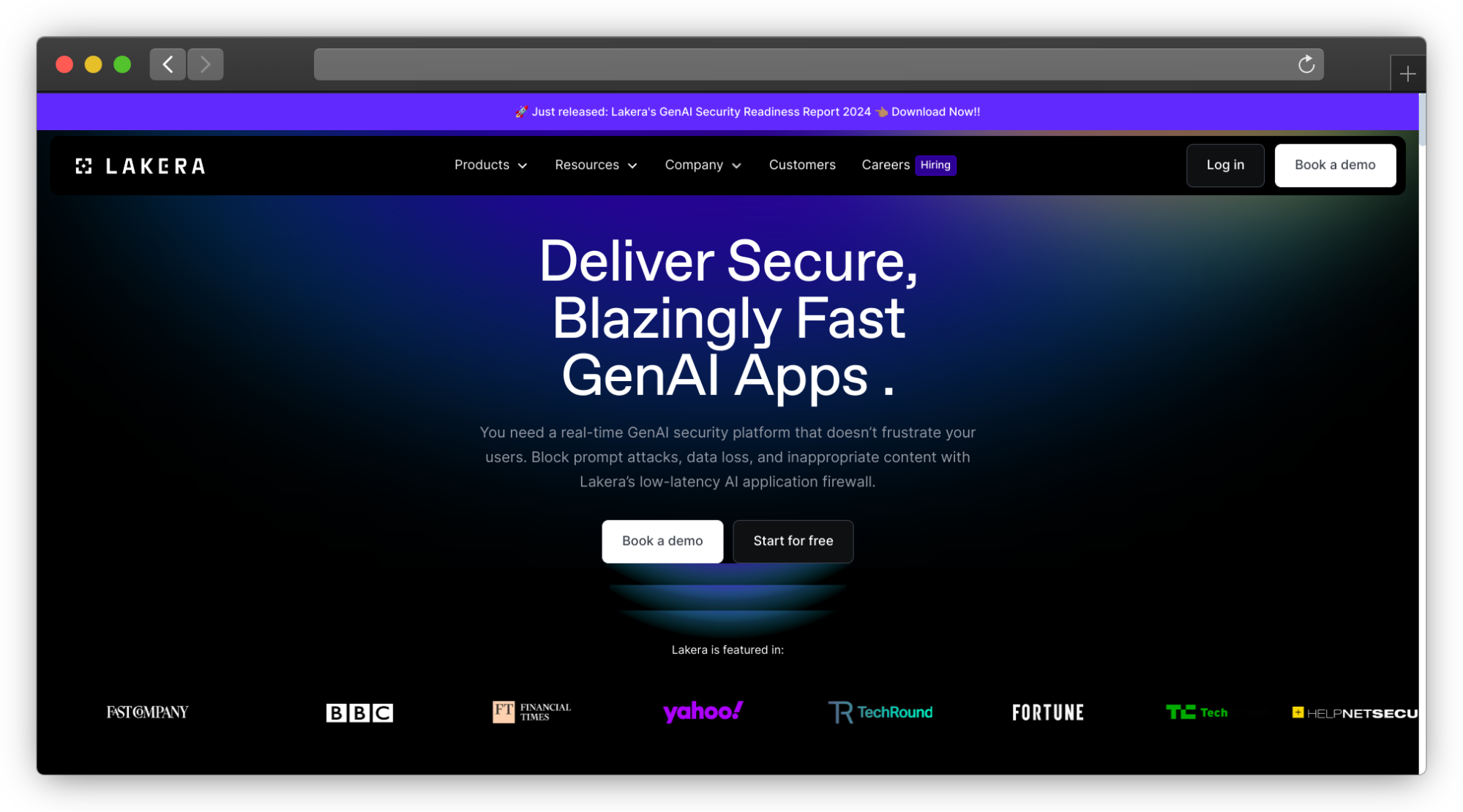 Lakera Guard focuses on ensuring the integrity of data used in training LLMs. It aims to prevent data-related vulnerabilities before they affect model performance.
Key Features:
- Data Integrity Monitoring Tools: Continuously checks training datasets for anomalies or tampering.
- Alerts on Data Poisoning Attempts: Notifies users of potential threats targeting training data.
- Audit Trails for Data Changes: Keeps detailed logs of changes made to datasets for accountability.
Use Case: Useful for companies that train their own models and want to ensure the quality and safety of their training data, reducing the risk of compromised outputs due to flawed inputs.
6. Repello AI
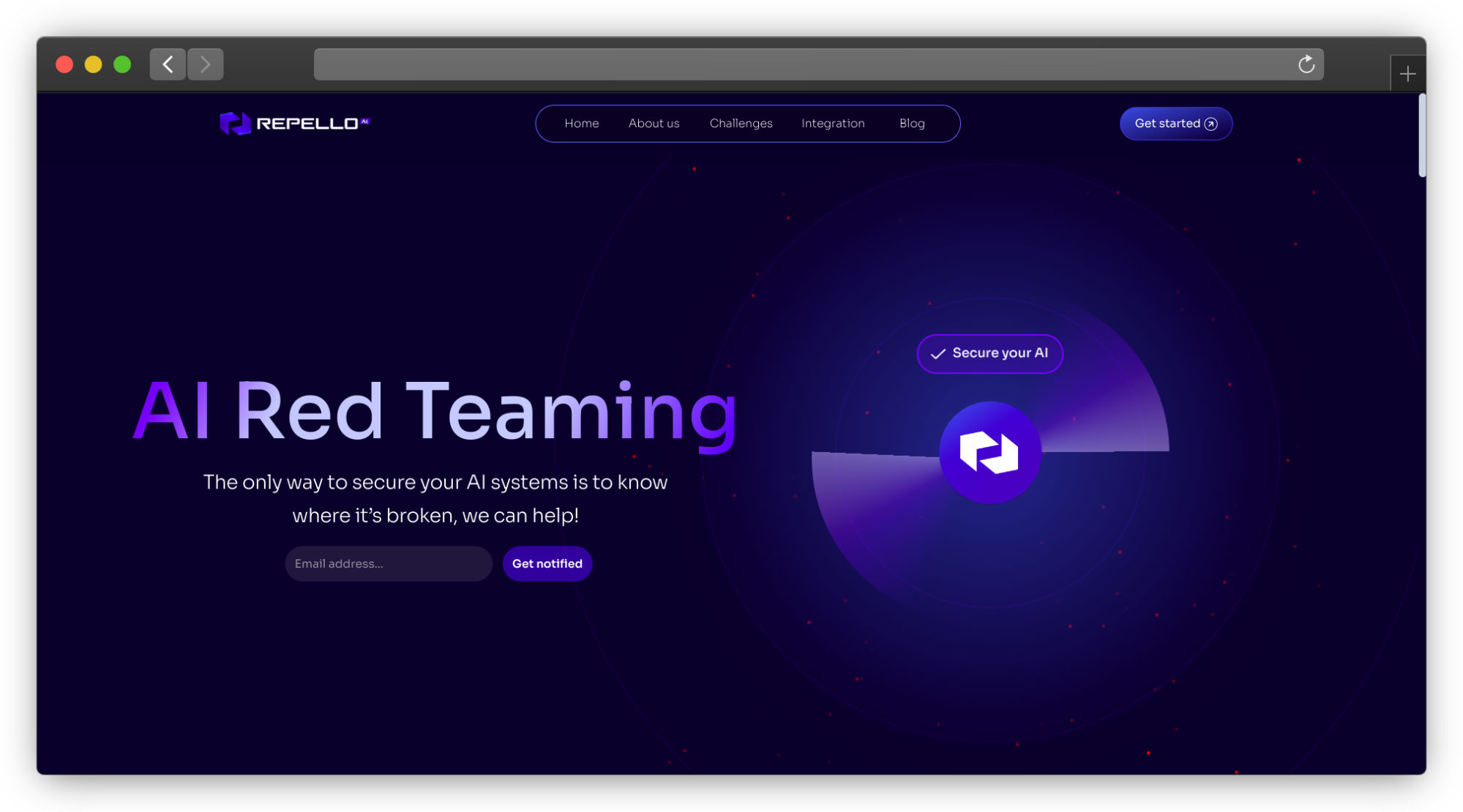 Repello.ai is a pioneering company specializing in AI Red Teaming, It is simulating attacks on AI systems to identify vulnerabilities and improve their resilience.
By subjecting LLMs to intentional adversarial prompting, Repello.ai helps uncover underlying harmful model vulnerabilities before they can be exploited by anyone else.
Key Features:
- Automated Red Teaming: Repello.ai automates the red teaming process, allowing for comprehensive testing at scale.
- Customizable Testing: Organizations can tailor testing scenarios to align with their specific security needs and operational contexts.
- Expert Guidance: Clients benefit from white-glove onboarding and context-aware methodologies provided by some of the world’s best red-teaming experts.
Use Case: Repello.ai is for developers and security professionals who want a deeper understanding of their LLMs' capabilities while identifying potential vulnerabilities before deployment.
7. Monitaur AI
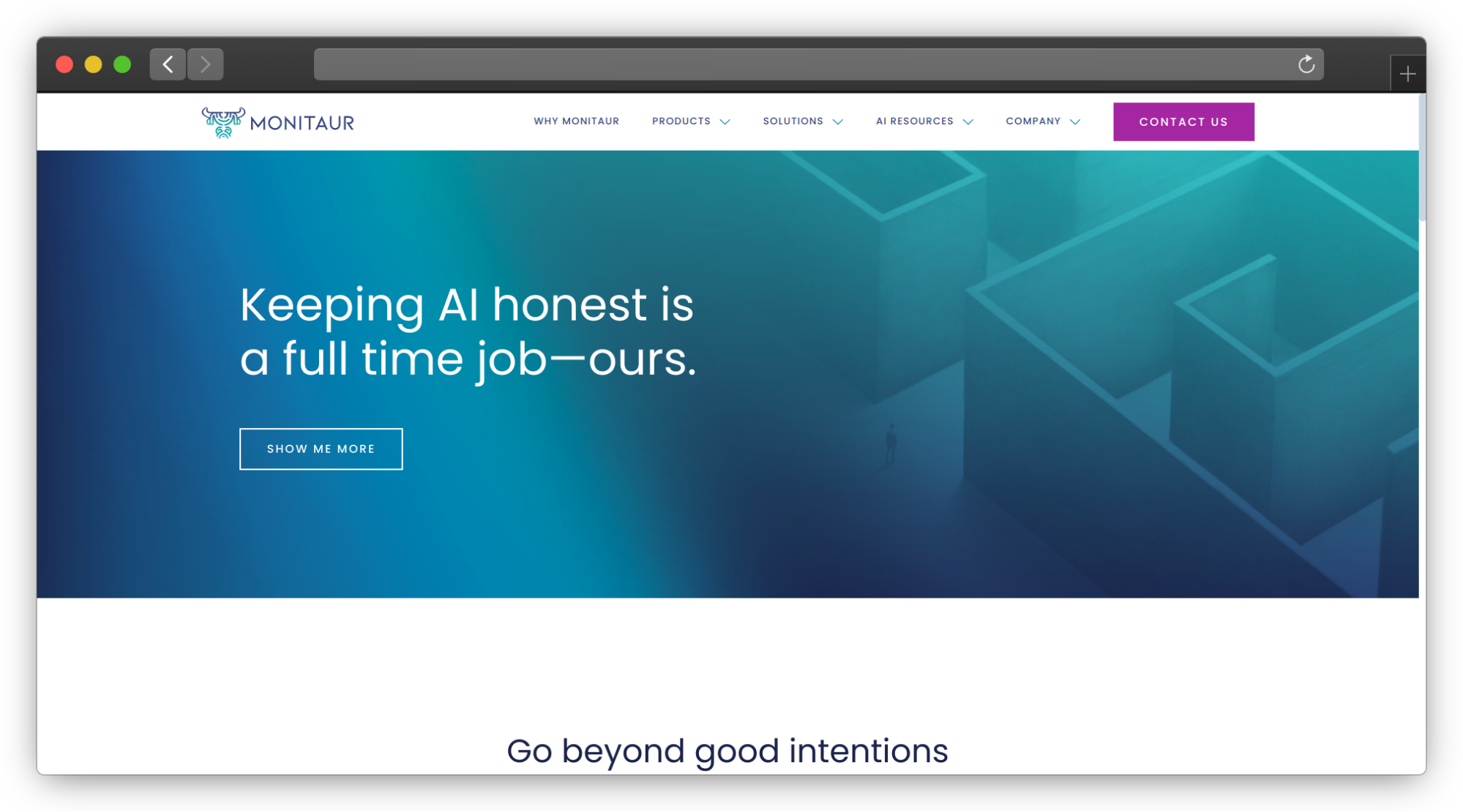 Monitaur is a comprehensive AI security platform designed to ensure the ethical and responsible development and deployment of AI models.
Key Features:
- End-to-End Governance: Monitaur covers the entire AI lifecycle, from policy creation to model validation and compliance.
- Real-time Monitoring: Continuously track your AI models' performance, identifying anomalies and potential risks.
- Explainable AI: Gain insights into your AI models' decision-making processes, enhancing transparency and accountability.
Use Case: Monitaur is ideal for organizations looking to maintain oversight of their AI applications, ensuring they meet compliance standards while effectively managing risks associated with LLM usage.
8. Holistic AI
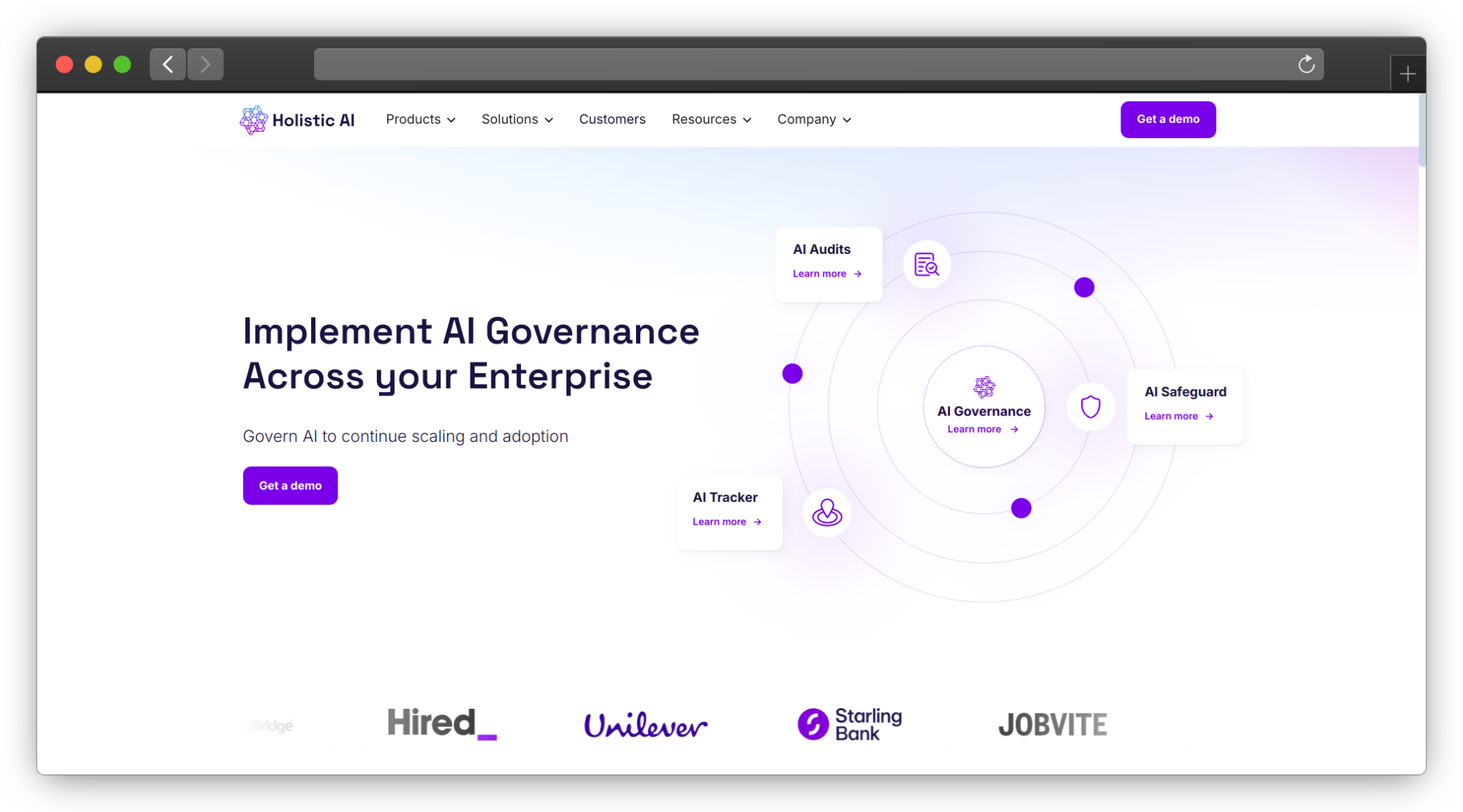 Holistic AI is a leading provider of AI governance solutions; it is helping businesses to confidently adopt and scale AI technologies. Their robust platform offers a comprehensive suite of tools.
Key Features:
- AI Safeguard: This tool specifically addresses LLM security concerns, auditing, and safeguarding LLMs from biases, vulnerabilities, and unintended consequences.
- AI Tracker: Gain real-time insights into your AI activities across the organization. Track model performance, identify potential issues, and ensure efficient AI resource allocation.
- AI Audits: Conduct comprehensive audits of your AI systems to assess their efficacy, robustness, privacy, fairness, and explainability. Gain valuable insights for improvement and ensure regulatory compliance.
Use Case: Best suited for organizations looking to implement a structured approach to AI governance and risk management, ensuring all aspects of AI deployment are considered.
9. Credo AI
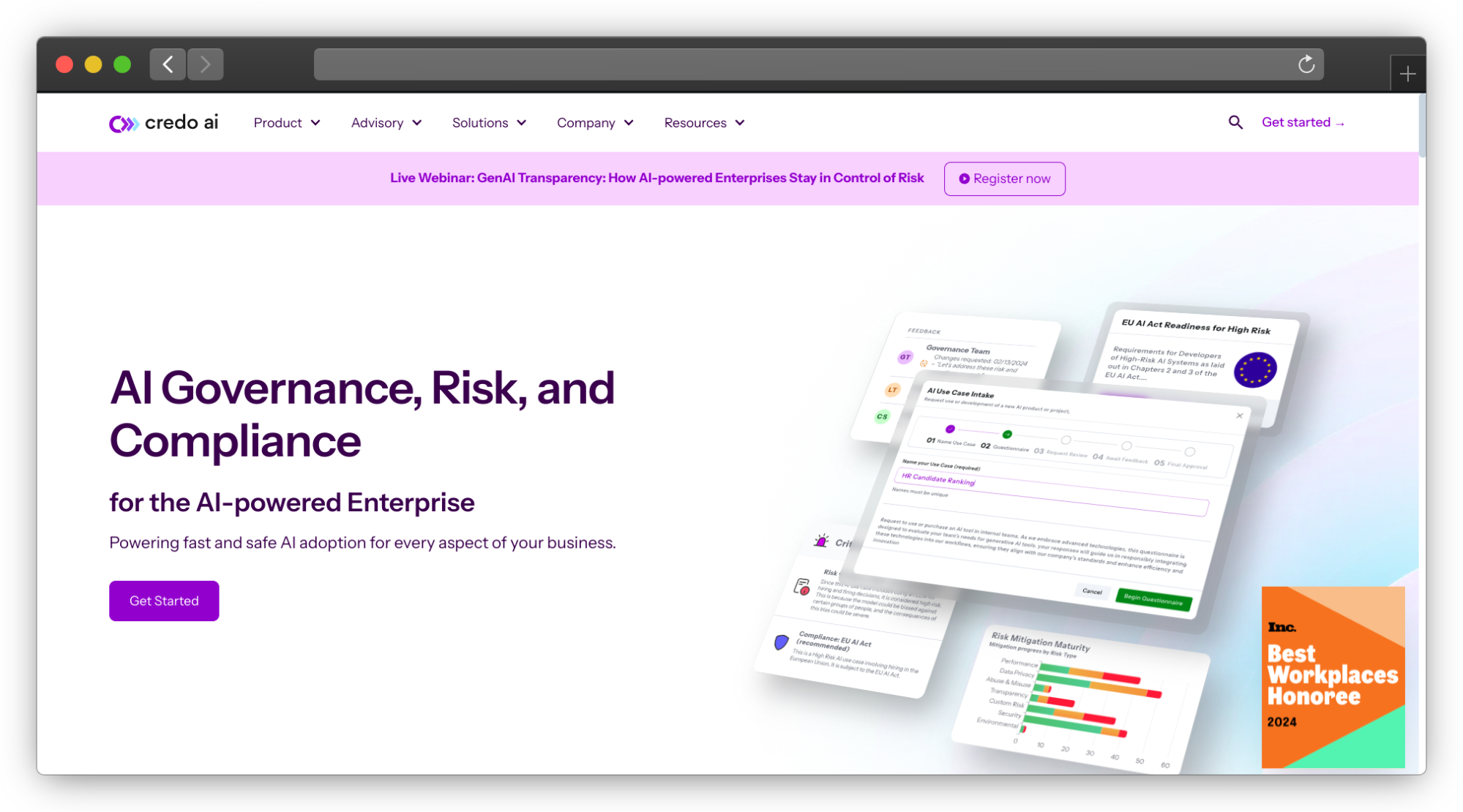 Credo AI is a leading provider of AI governance solutions, helping organizations with responsible AI development and deployment.
Key Features:
- Comprehensive AI Governance Platform: Credo AI offers a centralized platform for managing all aspects of AI governance, including risk assessment, model assurance, and compliance management.
- Streamlined Workflow: Simplify AI governance tasks with intuitive tools and collaborative features, making it easier to implement and maintain the right guardrails.
- Enhanced Accountability: Track AI activities throughout the development lifecycle, ensuring transparency and accountability for decision-making.
Use Case: Ideal for companies aiming to align their AI strategies with ethical standards while ensuring compliance with regulations. It is similar to Holistic AI we discussed above.
10. Adversa.ai
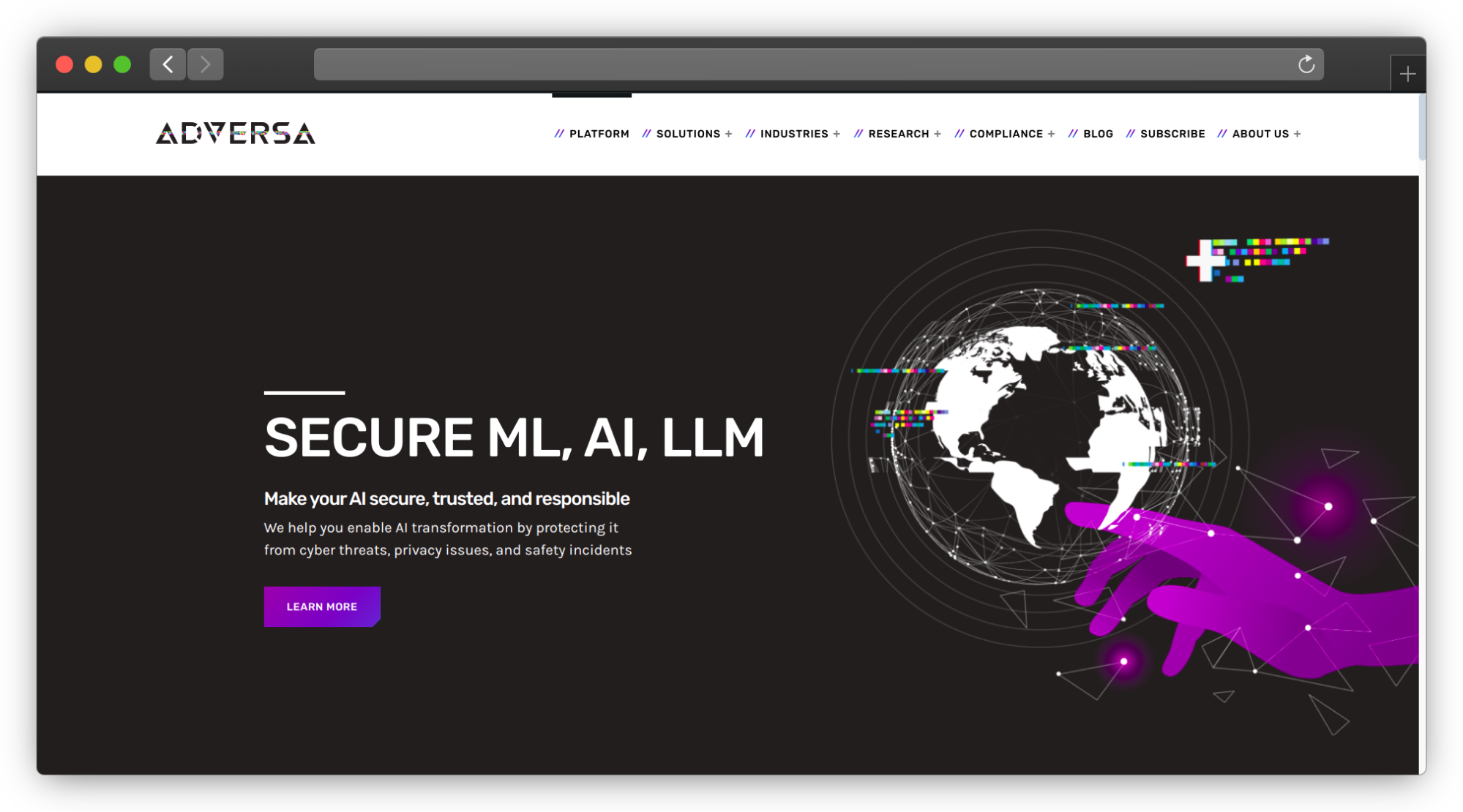 Adversa.ai specializes in identifying cyber threats, privacy concerns, and safety incidents within AI systems. Their approach focuses on understanding potential vulnerabilities that cybercriminals may exploit based on insights gathered from clients' AI models and data.
Key Features:
- Resilience testing simulates scenario-based attacks to assess an AI system’s ability to adapt and respond effectively.
- Stress Testing: Evaluates AI applications under extreme conditions to optimize scalability, responsiveness, and stability for real-world usage.
- Attack Identification: analyzes vulnerabilities in various AI applications, including facial detection systems, to counter adversarial attacks and injection threats.
Use Case: Adversa.ai is particularly useful for organizations operating in critical sectors such as healthcare or finance where understanding potential attack vectors is crucial for maintaining trust and compliance.
Conclusion
As Large Language Models are becoming increasingly integral to various sectors, ensuring their security is essential. That's it for now.
In our next post, we will provide a comprehensive list of LLM security tools/platforms, categorizing them by functionality to help you choose the best solutions for your organization’s needs.
Comments (0)