Product Jul 6, 2026 5 min read
What white-glove carriers actually send us
Parcel tracking is a solved problem. Freight is not. A look inside the scan feeds of the eleven carriers Porchlight reads, and why a two-hour window is harder than it sounds.

Ren Takata Carrier integrations
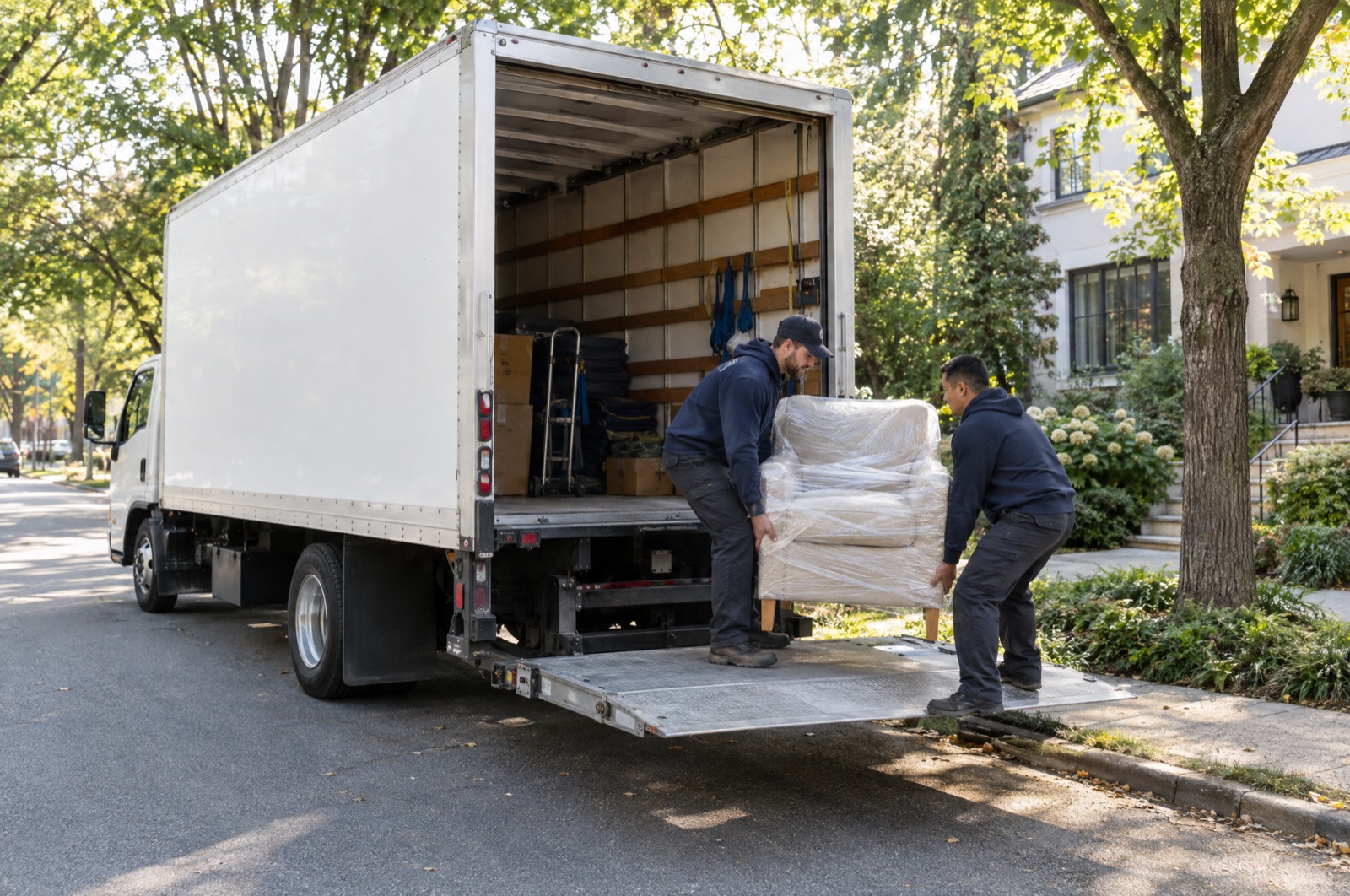
I spend my days inside carrier feeds. Porchlight now reads eleven of them, from national freight networks to regional white-glove crews who run four trucks out of a warehouse outside Columbus. Each one sends us something different, and each one is the source of truth for the question furniture customers ask most.
Parcel is easy; freight is not
A parcel carrier scans a box a dozen times between the warehouse and the door, and every scan has a standard code. Freight is different. A sofa might be scanned three times between the factory and the customer’s living room, and the scans that matter most (which day, which crew, which window) often are not scans at all. They are a dispatcher’s note, a phone call, an email to the brand.
What a feed looks like
Across the eleven carriers, we see roughly four kinds of event:
- Movement. Picked up, arrived at a terminal, departed a terminal. These are reliable and frequent, and they are the least useful to a customer.
- Scheduling. The delivery day is set, or changed. Some carriers send this as an event; three of the eleven only put it in a free-text note.
- Window. A two- or four-hour arrival window, usually set the evening before. Only five carriers send it at all.
- Exception. Damaged in transit, customer not home, address problem. These are rare and critical, and the wording varies wildly.
Turning that into a sentence
For each carrier we write a small reader that turns their events into four facts: where the order is, which day it will arrive, which window, and whether anything has gone wrong. When a carrier puts the window in a note, the reader parses the note. When it does not send a window, Porchlight says so honestly (“the crew will call the day before to set a time”) instead of inventing one.
The hardest part is time zones. A shipment from a factory in Grand Rapids to a customer in Denver crosses two of them, and a carrier in Ohio may stamp everything in Eastern time. Every window Porchlight shows a customer is in the customer’s own time zone. It sounds obvious. It took us a month.
When a feed goes quiet
Feeds stop. A terminal’s scanner breaks; a regional carrier’s system goes down for a weekend. Porchlight watches how long each carrier usually goes between events, and when a shipment has been quiet for longer than that, it stops answering with confidence. It shares the last confirmed scan with its date and time, and hands the thread to a person with the gap flagged.
What brands can do today
Even without us, there is one change that helps every freight customer: ask your carriers for the delivery window as a field, not a note. Several of the regional crews we work with added one after a brand asked. It cost them an afternoon, and it means the window reaches the customer the moment the dispatcher sets it, instead of whenever someone on your team reads the email.
If your carrier is not on our list, we can usually add it in two to three weeks. Send us one month of their events and we will tell you what we can read from it.
Answer the delivery question tonight
Connect your storefront and one carrier this afternoon. Porchlight drafts tonight’s replies for you to approve in the morning.